
We have written to Plymouth City Council urging it to take urgent action to secure the future of Radford Quarry, home to an internationally important population of spiders.
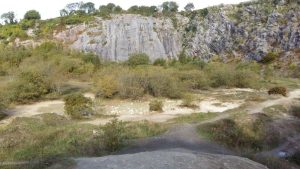
Radford Quarry is a County Wildlife Site with a rich variety of habitats including flowery grassland, scrub and cliff habitat, and it is an important refuge for wildlife such as butterflies, bats and badgers. But it is also one of only four sites in the whole world where the globally Critically Endangered Horrid Ground-weaver Spider (Nothophantes horridus) has been found.
Plymouth City Council has taken a strong position to protect this wildlife haven historically, refusing previous development proposals for a housing scheme and indicating that it would not permit a leisure park. However, in recent months the site’s owner has opened up Radford Quarry as a camp site – disturbing its precious, sensitive habitats. Now, plans have been announced for a Christmas market in the quarry, at just the time of year when the Horrid Ground-weaver Spider is known to be active. International assessment of this Critically Endangered species and Plymouth specialty has identified the greatest threat to its long-term survival is development. Concerningly, the recent developments on the wildlife sites appear to have taken place without an assessment of their impact on the Horrid Ground-weaver, or the other wildlife on site.
Andrew Whitehouse, Buglife Head of Operations, said, “The Horrid Ground-weaver is such a special species for Plymouth – there are only four known populations of this spider in the world, and all of them are within the city area. The Council has an international responsibility to do everything that it can to protect its habitat.”
“Our wildlife is under threat like never before, and while we welcome Plymouth City Council’s bold public commitments to nature recovery in its recent draft Plymouth Plan for Nature and People, we need to see them take urgent action to prevent Radford Quarry County Wildlife Site being damaged.”
Main Image Credit: Horrid Ground-weaver (Nothophantes horridus) © Tom Thomson (CC BY 2.0)