Saving the small things that run the planet
Saving the small things that run the planetWill you join us in saving Wales’ special invertebrates? Double your donation, from midday Thursday 18 until midday Thursday 25 April 2024 via The Big Give!
With 2024 likely to see a General Election take place in the United Kingdom, we have published our Manifesto for Bugs, setting out what our smallest and most numerous creatures need from any future Government.
We are delighted to be able to officially introduce to you Important Invertebrate Areas (IIAs) and a fantastic suite of free to use information and web resources to help secure a better future of our invertebrate populations! Find out more…
Show your support to Nurture the Night Shift, pledge to close your curtains and blinds when you turn on your indoor lights, to keep the light inside and say Curtains for Light Pollution!
Imagine trying to travel around Britain without our road and rail network. Or imagine if nine out of every ten miles of road just didn’t exist – life would be impossible!
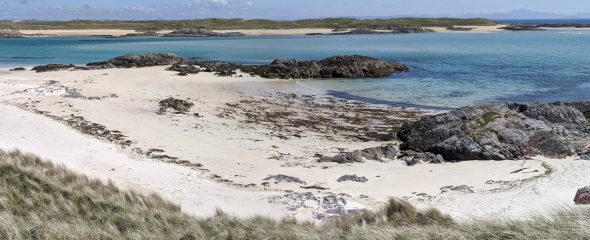
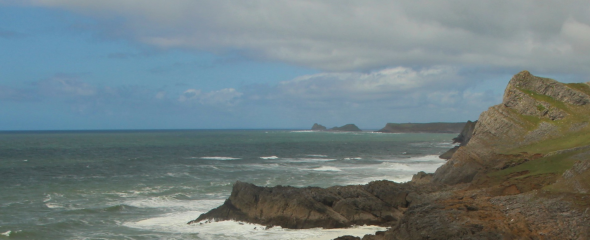
Species on the Edge is an ambitious project for species recovery in Scotland, that aims to take action on over 37 declining and threatened species across Scotland’s coasts and islands.
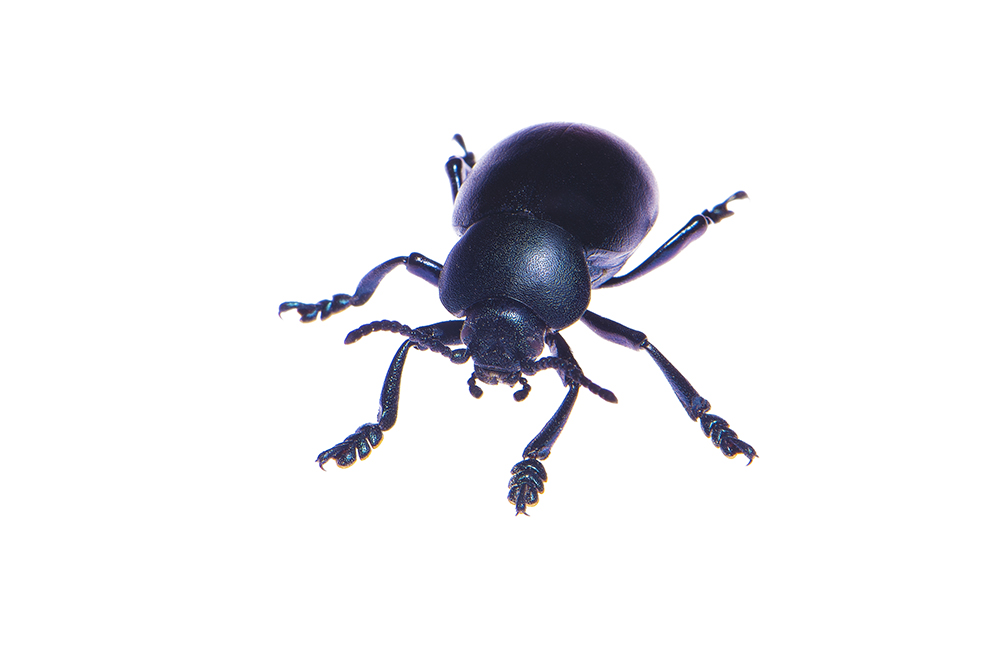
Have you ever seen what you think might be a Blue Ground Beetle whilst out walking? If you have a photo of it, no matter how long ago it was taken, we’d love it if you could share it with us.
Natur am Byth! is Wales’ flagship conservation programme.
Made up of a partnership of nine environmental charities and Natural Resources Wales the programme will take action for endangered species and build connections with Welsh communities and their natural heritage.
Non-native land flatworms have been accidentally introduced to the UK in imported pot plants and newly arrived species continue to be discovered.
Be a Citizen Scientist; take photographs, record your sightings and help us map their locations!
Find out more
Horrid groundweaver spider saved from extinction

Over 230 ha of lowland raised bog restored

4 pesticides banned following Buglife campaigns

B-Lines mapped across the UK

Over 500 ha of wildflowers for pollinators